


How Do Solar Pool Lights Contribute to Sustainable Outdoor Landscape Design?
Release Time : 2026-03-31
The evolution of outdoor living spaces has transformed the backyard from a simple utility area into a sanctuary of relaxation and aesthetic expression. Central to this transformation is the concept of landscape lighting, which extends the usability of these spaces well into the night. However, traditional landscape lighting often comes with a significant environmental and logistical cost: complex wiring, high energy consumption, and a reliance on non-renewable power sources. Enter solar pool lights, a technology that harmonizes the desire for beautiful illumination with the imperative of environmental stewardship. By integrating renewable energy, advanced battery storage, and eco-friendly materials, solar pool lights have become a cornerstone of sustainable outdoor landscape design, offering a solution that is as kind to the planet as it is pleasing to the eye.
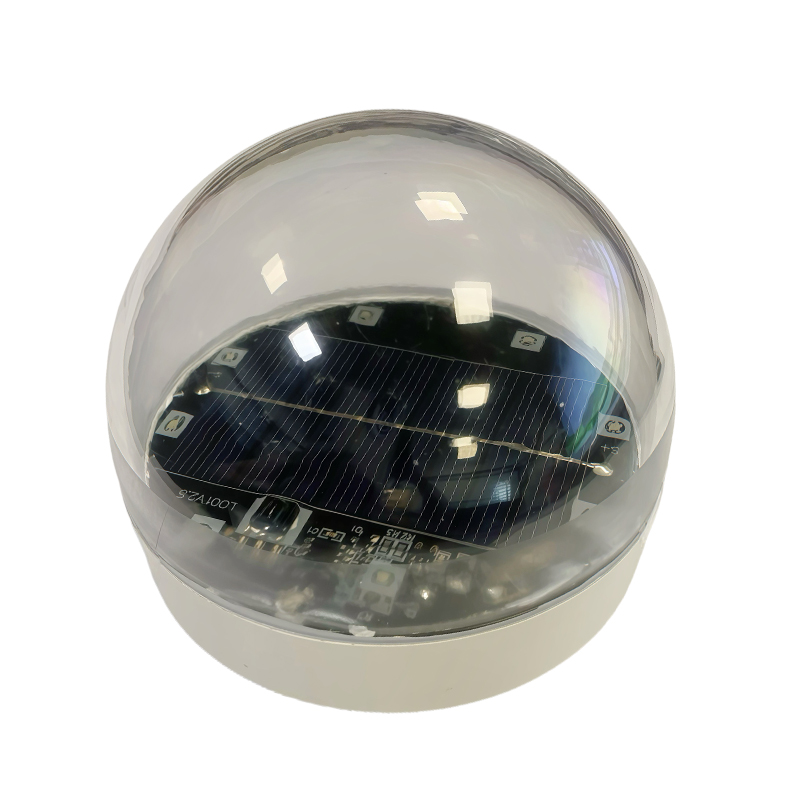
At the heart of this sustainability is the utilization of photovoltaic technology. Unlike traditional incandescent or halogen pool lights that draw continuous power from the electrical grid—often generated by burning fossil fuels—solar pool lights are entirely self-sufficient. They capture energy from the sun during the day through high-efficiency solar panels, converting photons into electrons and storing this energy in rechargeable batteries. This process creates a closed-loop energy system where the light produces zero carbon emissions during operation. For a homeowner or landscape architect, this means creating a vibrant, illuminated nightscape without contributing to the carbon footprint associated with grid electricity. It represents a shift towards energy independence, where the beauty of the landscape is powered by the very environment it inhabits.
The contribution to sustainability extends beyond energy generation to the critical issue of resource conservation and waste reduction. Modern solar pool lights are almost exclusively equipped with Light Emitting Diode (LED) technology. LEDs are renowned for their exceptional energy efficiency, converting a high percentage of electrical energy into light rather than heat. Furthermore, they possess an incredibly long lifespan, often lasting up to 50,000 hours or roughly 10 to 15 years of normal use. This durability stands in stark contrast to traditional bulbs, which may need to be replaced annually. By reducing the frequency of replacements, solar LED lights significantly decrease the amount of electronic waste and packaging materials that end up in landfills. The longevity of the components ensures that the environmental cost of manufacturing and shipping replacement parts is minimized over the product's lifecycle.
Material engineering also plays a pivotal role in the sustainable design of these lighting fixtures, particularly regarding their durability and interaction with the environment. High-quality solar pool lights are rated IP68, indicating they are fully waterproof and dust-tight, capable of withstanding submersion and the harsh chemical environment of a swimming pool. This robust construction prevents water ingress, which is the primary cause of electronic failure. A longer-lasting product means fewer units are discarded over time. Moreover, the shift towards solar lighting eliminates the need for extensive underground cabling. Traditional low-voltage lighting systems require trenching, which disrupts soil structure, damages existing plant root systems, and requires PVC piping and copper wiring. Solar lights, being wireless, preserve the integrity of the landscape, allowing for installation without disturbing the earth or the local ecosystem.
Water conservation is another subtle yet significant aspect where solar pool lights contribute to sustainability. In a traditional setup, if a submerged light fixture fails or its seal degrades, it can sometimes lead to leaks or require the draining of pool sections for repair. The robust, sealed nature of modern IP68 solar lights minimizes this risk. Additionally, because they do not generate heat like incandescent bulbs, they do not contribute to the thermal evaporation of pool water. While this might seem minor, in arid regions where water conservation is critical, every measure counts. The "cool" light of an LED ensures that the pool's chemical balance and water levels remain stable, reducing the need for chemical top-ups and water refills, further lowering the environmental impact of pool maintenance.
The design philosophy of solar lighting also encourages a more thoughtful approach to landscape aesthetics, moving away from "light pollution" towards "ambient illumination." Sustainable design is not just about the hardware; it is about how light is used. Solar pool lights often feature automatic photosensitivity sensors, which ensure they only operate when needed—during the hours of darkness. This prevents the wasteful practice of leaving lights on during the day or during twilight when they are unnecessary. Furthermore, the availability of colorful, programmable lights allows for creative expression without excess. Instead of flooding an entire garden with harsh, bright floodlights that spill into the night sky and disrupt local wildlife, solar pool lights allow for targeted, low-level accent lighting. This focused illumination highlights specific features—like a fountain or a specific tree—creating a magical atmosphere while preserving the natural darkness required by nocturnal insects and animals.
Economic sustainability is inextricably linked to environmental sustainability, and solar pool lights excel in this regard by eliminating operational costs. Once installed, the cost of running these lights is zero. There are no monthly electricity bills to pay, and no trenching costs to incur during installation. This economic efficiency makes sustainable living accessible to a wider demographic. It democratizes the ability to create a high-end, resort-style landscape without the ongoing financial burden. The initial investment in high-quality solar units pays for itself over time, freeing up resources that can be invested in other sustainable practices, such as water-wise gardening or organic landscaping.
Finally, the flexibility of solar lighting supports the concept of adaptive reuse and changing landscapes. As a garden evolves—plants grow, patios are expanded, or pool shapes are modified—solar lights can be easily relocated without the hassle of rewiring. This adaptability ensures that the lighting solution remains relevant and effective as the landscape changes, preventing the obsolescence that often plagues hard-wired systems. It encourages a dynamic relationship between the homeowner and their environment, fostering a space that can grow and change sustainably over the years. In this way, solar pool lights are not just fixtures; they are enablers of a resilient, adaptable, and environmentally conscious outdoor lifestyle.
At the heart of this sustainability is the utilization of photovoltaic technology. Unlike traditional incandescent or halogen pool lights that draw continuous power from the electrical grid—often generated by burning fossil fuels—solar pool lights are entirely self-sufficient. They capture energy from the sun during the day through high-efficiency solar panels, converting photons into electrons and storing this energy in rechargeable batteries. This process creates a closed-loop energy system where the light produces zero carbon emissions during operation. For a homeowner or landscape architect, this means creating a vibrant, illuminated nightscape without contributing to the carbon footprint associated with grid electricity. It represents a shift towards energy independence, where the beauty of the landscape is powered by the very environment it inhabits.
The contribution to sustainability extends beyond energy generation to the critical issue of resource conservation and waste reduction. Modern solar pool lights are almost exclusively equipped with Light Emitting Diode (LED) technology. LEDs are renowned for their exceptional energy efficiency, converting a high percentage of electrical energy into light rather than heat. Furthermore, they possess an incredibly long lifespan, often lasting up to 50,000 hours or roughly 10 to 15 years of normal use. This durability stands in stark contrast to traditional bulbs, which may need to be replaced annually. By reducing the frequency of replacements, solar LED lights significantly decrease the amount of electronic waste and packaging materials that end up in landfills. The longevity of the components ensures that the environmental cost of manufacturing and shipping replacement parts is minimized over the product's lifecycle.
Material engineering also plays a pivotal role in the sustainable design of these lighting fixtures, particularly regarding their durability and interaction with the environment. High-quality solar pool lights are rated IP68, indicating they are fully waterproof and dust-tight, capable of withstanding submersion and the harsh chemical environment of a swimming pool. This robust construction prevents water ingress, which is the primary cause of electronic failure. A longer-lasting product means fewer units are discarded over time. Moreover, the shift towards solar lighting eliminates the need for extensive underground cabling. Traditional low-voltage lighting systems require trenching, which disrupts soil structure, damages existing plant root systems, and requires PVC piping and copper wiring. Solar lights, being wireless, preserve the integrity of the landscape, allowing for installation without disturbing the earth or the local ecosystem.
Water conservation is another subtle yet significant aspect where solar pool lights contribute to sustainability. In a traditional setup, if a submerged light fixture fails or its seal degrades, it can sometimes lead to leaks or require the draining of pool sections for repair. The robust, sealed nature of modern IP68 solar lights minimizes this risk. Additionally, because they do not generate heat like incandescent bulbs, they do not contribute to the thermal evaporation of pool water. While this might seem minor, in arid regions where water conservation is critical, every measure counts. The "cool" light of an LED ensures that the pool's chemical balance and water levels remain stable, reducing the need for chemical top-ups and water refills, further lowering the environmental impact of pool maintenance.
The design philosophy of solar lighting also encourages a more thoughtful approach to landscape aesthetics, moving away from "light pollution" towards "ambient illumination." Sustainable design is not just about the hardware; it is about how light is used. Solar pool lights often feature automatic photosensitivity sensors, which ensure they only operate when needed—during the hours of darkness. This prevents the wasteful practice of leaving lights on during the day or during twilight when they are unnecessary. Furthermore, the availability of colorful, programmable lights allows for creative expression without excess. Instead of flooding an entire garden with harsh, bright floodlights that spill into the night sky and disrupt local wildlife, solar pool lights allow for targeted, low-level accent lighting. This focused illumination highlights specific features—like a fountain or a specific tree—creating a magical atmosphere while preserving the natural darkness required by nocturnal insects and animals.
Economic sustainability is inextricably linked to environmental sustainability, and solar pool lights excel in this regard by eliminating operational costs. Once installed, the cost of running these lights is zero. There are no monthly electricity bills to pay, and no trenching costs to incur during installation. This economic efficiency makes sustainable living accessible to a wider demographic. It democratizes the ability to create a high-end, resort-style landscape without the ongoing financial burden. The initial investment in high-quality solar units pays for itself over time, freeing up resources that can be invested in other sustainable practices, such as water-wise gardening or organic landscaping.
Finally, the flexibility of solar lighting supports the concept of adaptive reuse and changing landscapes. As a garden evolves—plants grow, patios are expanded, or pool shapes are modified—solar lights can be easily relocated without the hassle of rewiring. This adaptability ensures that the lighting solution remains relevant and effective as the landscape changes, preventing the obsolescence that often plagues hard-wired systems. It encourages a dynamic relationship between the homeowner and their environment, fostering a space that can grow and change sustainably over the years. In this way, solar pool lights are not just fixtures; they are enablers of a resilient, adaptable, and environmentally conscious outdoor lifestyle.