
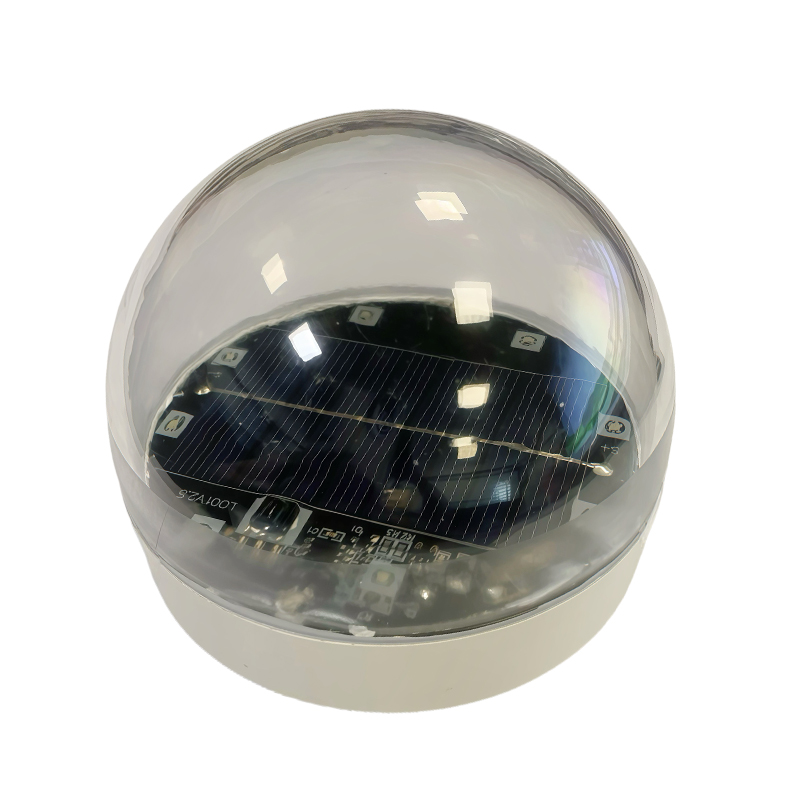


How does automatic light sensing technology enable pool lights to intelligently switch between day and night?
Release Time : 2025-12-29
In modern outdoor lighting design, solar-powered pool lights have become a popular choice for gardens, fountains, villa courtyards, and poolside areas due to their environmental friendliness, safety, and aesthetic appeal. One key function—automatic light sensing technology—endows these lights with the intelligent attribute of "sensing the environment and making autonomous decisions," allowing them to seamlessly switch operating states between day and night without manual intervention, truly achieving a unity of intelligence, humanization, and energy saving.
The core of pool light automatic light sensing technology lies in the built-in photosensor. This miniature component continuously monitors changes in the ambient light intensity. During the day, when natural light is abundant, the sensor detects a high-brightness environment and automatically turns off the LED light source, while storing the energy collected by the solar panels in the built-in battery. This process not only avoids unnecessary power consumption during the day but also maximizes energy efficiency, ensuring that electrical energy is rationally stored for nighttime use.
As sunset approaches and ambient light gradually weakens, the photosensor detects the decrease in light levels. Once a preset threshold is reached, the system automatically activates the lighting circuit, turning on the LED beads. The entire startup process is smooth and silent. Users don't need to operate switches or rely on timers; the lights precisely respond to changes in natural light, providing soft and atmospheric illumination for water features or courtyards at night. This intelligent "daytime off, nighttime on" logic perfectly aligns with human dependence on natural rhythms, eliminating the inconvenience and energy waste caused by forgetting to turn lights on or off.
Furthermore, automatic light-sensing technology enhances the environmental adaptability of solar pool lights. Whether on a cloudy day, in the dim light of dawn or dusk, or in a shaded corner, the light-sensitive system dynamically judges the actual illuminance, avoiding false triggers or delayed responses. Some high-end products even incorporate smart chips to analyze light change trends, preventing frequent flickering caused by brief shadows (such as birds flying by or clouds drifting), thus improving stability and comfort.
Aesthetically, this automated switching also enhances the artistic expression of landscape lighting. As night falls, the lights quietly illuminate, with colored LED beads reflecting on the water or among the plants, creating a tranquil and dreamlike visual effect. Because its activation coincides with natural darkness, the lights don't appear abrupt but rather blend gently into the environment, becoming part of the night. This perfectly timed illumination is the unique charm that automatic light-sensing technology brings to landscape lighting.
Furthermore, the automatic light-sensing function significantly reduces the user's operational threshold and maintenance burden. Especially for lights installed underwater, inside fountains, or in hard-to-reach locations, no wiring or manual control is required; they can operate stably for extended periods solely based on their own sensing capabilities. This not only enhances safety—avoiding the risks of human operation of electrical appliances in humid environments—but also extends the equipment's lifespan and reduces the failure rate.
From a broader perspective, automatic light-sensing technology embodies the concept of green and intelligent living. It organically combines renewable energy, environmental sensing, and automatic control, meeting lighting needs while practicing the values of energy conservation, emission reduction, and sustainable development. Every automatically sensing solar pool light represents respect for and adaptation to the laws of nature.
In conclusion, automatic light-sensing technology is not only a practical function of solar pool lights but also the very essence of their intelligent design. It gives the lamps "eyes" and "judgment," silently guarding the beauty of light and shadow in the courtyard between day and night, and bringing users a safe, convenient and poetic nighttime experience.
The core of pool light automatic light sensing technology lies in the built-in photosensor. This miniature component continuously monitors changes in the ambient light intensity. During the day, when natural light is abundant, the sensor detects a high-brightness environment and automatically turns off the LED light source, while storing the energy collected by the solar panels in the built-in battery. This process not only avoids unnecessary power consumption during the day but also maximizes energy efficiency, ensuring that electrical energy is rationally stored for nighttime use.
As sunset approaches and ambient light gradually weakens, the photosensor detects the decrease in light levels. Once a preset threshold is reached, the system automatically activates the lighting circuit, turning on the LED beads. The entire startup process is smooth and silent. Users don't need to operate switches or rely on timers; the lights precisely respond to changes in natural light, providing soft and atmospheric illumination for water features or courtyards at night. This intelligent "daytime off, nighttime on" logic perfectly aligns with human dependence on natural rhythms, eliminating the inconvenience and energy waste caused by forgetting to turn lights on or off.
Furthermore, automatic light-sensing technology enhances the environmental adaptability of solar pool lights. Whether on a cloudy day, in the dim light of dawn or dusk, or in a shaded corner, the light-sensitive system dynamically judges the actual illuminance, avoiding false triggers or delayed responses. Some high-end products even incorporate smart chips to analyze light change trends, preventing frequent flickering caused by brief shadows (such as birds flying by or clouds drifting), thus improving stability and comfort.
Aesthetically, this automated switching also enhances the artistic expression of landscape lighting. As night falls, the lights quietly illuminate, with colored LED beads reflecting on the water or among the plants, creating a tranquil and dreamlike visual effect. Because its activation coincides with natural darkness, the lights don't appear abrupt but rather blend gently into the environment, becoming part of the night. This perfectly timed illumination is the unique charm that automatic light-sensing technology brings to landscape lighting.
Furthermore, the automatic light-sensing function significantly reduces the user's operational threshold and maintenance burden. Especially for lights installed underwater, inside fountains, or in hard-to-reach locations, no wiring or manual control is required; they can operate stably for extended periods solely based on their own sensing capabilities. This not only enhances safety—avoiding the risks of human operation of electrical appliances in humid environments—but also extends the equipment's lifespan and reduces the failure rate.
From a broader perspective, automatic light-sensing technology embodies the concept of green and intelligent living. It organically combines renewable energy, environmental sensing, and automatic control, meeting lighting needs while practicing the values of energy conservation, emission reduction, and sustainable development. Every automatically sensing solar pool light represents respect for and adaptation to the laws of nature.
In conclusion, automatic light-sensing technology is not only a practical function of solar pool lights but also the very essence of their intelligent design. It gives the lamps "eyes" and "judgment," silently guarding the beauty of light and shadow in the courtyard between day and night, and bringing users a safe, convenient and poetic nighttime experience.