
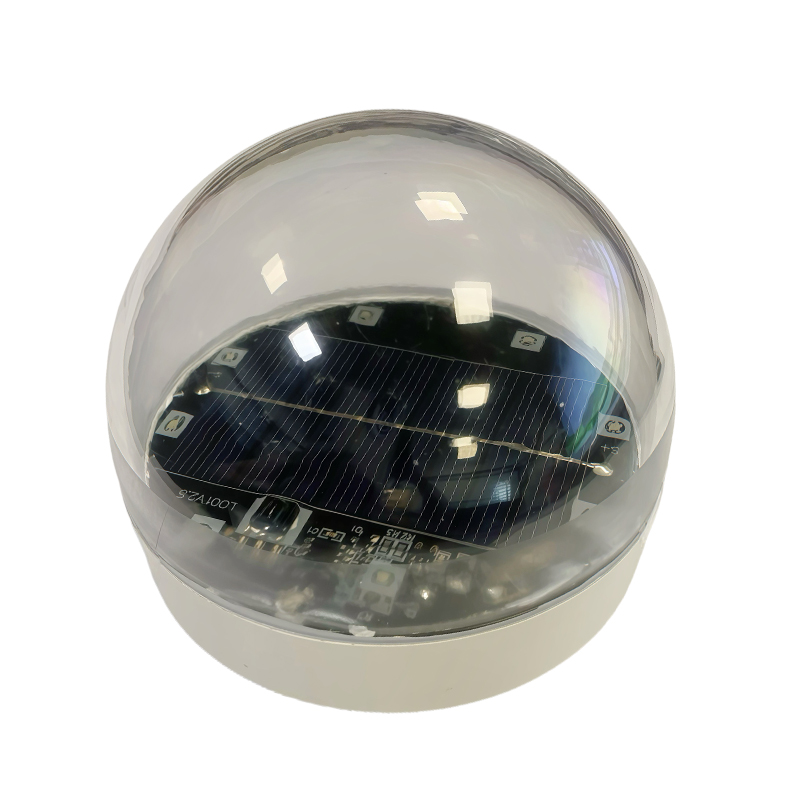


How can different colors be combined to enrich the visual appeal of a villa garden landscape light?
Release Time : 2026-01-27
Color coordination in villa garden landscape lighting is key to creating a unique atmosphere and enriching visual layers. By cleverly using different colors of light, the garden can display distinctly different aesthetics between day and night. Color selection requires comprehensive consideration of the garden's overall style, plant arrangement, architectural color scheme, and intended use. It should avoid excessive clutter while using contrast and harmony to stimulate visual tension and inject vibrant life into the garden.
When determining the main color scheme, the overall style of the garden should be the benchmark. For a European classical style garden, warm yellow lighting is the first choice. Its soft glow highlights the solidity of stone architecture and echoes elements such as carved railings and Roman columns, creating a warm and elegant atmosphere. For a modern minimalist style garden, cool white or neutral light is more suitable. Its clean and crisp light enhances the modern feel of geometric landscape features, such as straight paths and rectangular flower beds, while avoiding color interference that could disrupt the purity of the space. Japanese Zen gardens are best suited to low-saturation warm light, such as beige or light orange, which uses soft light and shadow to simulate the changing light and shadow of nature, conveying a tranquil and serene atmosphere.
The use of complementary colors should serve the main color scheme, while enriching the layers through contrast or gradation. For example, in a garden with warm yellow as the main light, a small amount of blue or purple light can be used as accents, such as along the edges of water features or at the base of shrubs. The contrast between warm and cool tones creates visual focal points and guides the eye. If the main light is cool white, gold or light yellow light can be used to outline architectural contours or key plants, such as sculpted pines or spherical shrubs, highlighting three-dimensionality through contrast. Color transitions should be natural. This can be achieved by adjusting the angle of the villa garden landscape lights or using adjustable color temperature lighting fixtures to achieve a soft gradient from the main light area to the complementary light area, avoiding harsh color blocks.
The color interaction between plants and lighting is a crucial element in enhancing the natural feel of the garden. Different plants have different light reflection characteristics, requiring the selection of villa garden landscape light colors accordingly. For example, dark green plants appear more vibrant under warm yellow light, while light green or yellowish-green plants are better suited to cool white or neutral light to maintain a fresh look. Red or purple flowers appear more dreamlike under blue or purple light, but brightness should be controlled to avoid visual fatigue caused by oversaturation. For areas with multi-colored flowers, white light can be used as the base lighting, with spotlights highlighting specific colors to create a "stars surrounding the moon" effect.
The lighting in water features needs to balance dynamic and static elements. Static pools are suitable for single-tone lighting, such as blue or green, creating a sense of depth through reflections on the water's surface. If there are ornamental fish such as koi in the pool, warm yellow light can enhance the fish's color expression. Dynamic water features, such as fountains or waterfalls, can create a dazzling visual effect by combining colored lights with water movement, but rapid color transitions should be avoided to prevent dizziness. Low-brightness warm light can be used for villa garden landscape lights at the edge of the water feature to outline the shape without interfering with water reflections.
The lighting colors for paths and trails should be functionally oriented. Main paths are best suited to neutral or warm white light to ensure walking safety while maintaining harmony with the surrounding environment; secondary paths or trails can use light blue or light green light to create a sense of mystery and seclusion. The lighting on both sides of the trail can be alternating between different colors, such as warm yellow and cool white, to create a rhythm and guide the eye deeper into the garden.
The lighting colors for holidays or special occasions need to be adjusted flexibly. For example, during the Spring Festival, red light can be the main color, paired with gold or yellow light to create a festive atmosphere; at Christmas, a combination of green, red, and white light can be used to simulate the colors of a Christmas tree; in summer nights, blue or purple light can be the main color, paired with a small amount of white light to create a cool feeling. Smart lighting fixtures with adjustable color temperature can be easily switched between different scene modes via a mobile app or voice control, improving ease of use.
Color matching in villa garden landscape lighting is an art. It requires determining the main color tone, adding complementary colors, the interaction between plants and lights, the dynamic expression of water features, the functional design of pathways, and flexible adjustments for special scenes to achieve a harmonious coexistence of color and space. A well-chosen color scheme not only enriches the visual layers of the garden but also conveys emotions and warmth, making the garden a sanctuary for the residents' souls.